PACKAGING BUYING GUIDE
From packaging sample to production: what to confirm
Before packaging moves into production, confirm the structure, product fit, artwork, finish, packing arrangement and order scope against the agreed sample and documents. Record what the sample demonstrates, what remains open and which version is approved. A change after approval may require a new review of cost or timing.
Read the guide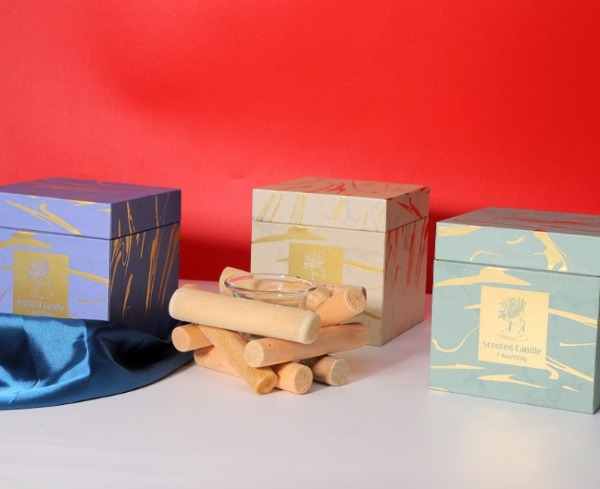
Agree what the sample is meant to confirm
Start with the product and the proposed box format. Identify whether the sample is for structural fit, appearance or a defined combination of checks. A structural mock-up may not represent final printing or finishing; agree those limits before evaluating it.
Provide the actual product or sufficiently detailed dimensions and packing information. If you are still choosing a structure, review rigid boxes versus folding cartons first.
Check fit, opening and packing
Load the intended items, wrapping and accessories. Check the space around caps, closures and protruding parts, then try the opening and removal sequence. For sets, confirm the location of every component.
Review how the box is assembled, filled and closed by the packing team. Record any changes to dimensions, supports or closure before treating the sample as approved. Any required transport or handling tests need an agreed method for the complete pack.

Review the artwork on the agreed structure
Check the product name, variant, orientation and printed panels against the approved file. Review where graphics cross folds or meet edges. Identify finishing areas separately so that an appearance reference is not mistaken for a complete production instruction.
Confirm the color reference and the sample or proof used for approval. Record which printed or finished features the reviewed sample actually represents; unresolved details remain open decisions.
Close the revision loop
- Collect changes in one dated list with marked photographs or drawings.
- Identify the affected sample, drawing and artwork version.
- Review the revised items and record any remaining conditions.
- Confirm the approved version and the person responsible for approval.
Keep the final sample and documents identifiable. If a product dimension, artwork file or component changes later, review its effect on the packaging before proceeding.
Confirm the production and delivery scope
Reconcile the order quantity by variant, selected materials and finishes, packing arrangement and delivery requirements. Confirm whether changes affect the quotation or schedule, and identify any outstanding approval needed to proceed.
Agree the inspection criteria and any required tests with the supplier. Sample approval does not replace the order-specific acceptance plan or establish a universal tolerance. Use the quotation brief to check that the commercial scope still matches the approved design.
Keep the approval record for receiving
Give the receiving team the approved specifications, artwork version, packing instructions and relevant sample reference. These allow the shipment to be checked against the same requirements used for production.
The folding-box receiving checklist covers arrival inspection and discrepancy records. It complements approval before production; it is not a substitute for it.
Common questions
Does a white structural sample approve the printing?
A white structural sample is used to review construction and fit. Printing and finishing need their own agreed proof or sample review. Record what each approval covers before production.
What happens if the product changes after sample approval?
Tell the supplier what changed and identify the affected dimension, component or artwork version. Recheck fit and any linked specification, cost or schedule before production proceeds.
Is there one tolerance or test plan for every box?
No universal tolerance or sample count is set by this guide. Agree the dimensions, inspection criteria and required tests for the actual product, packaging and order.
CONTINUE YOUR PACKAGING BRIEF


 Send Email
 yue.sandy
 WhatsApp
 WeChat